Harrow on the Hill house removals tips for narrow streets
Posted on 09/05/2026
Harrow on the Hill House Removals Tips for Narrow Streets
Moving house in Harrow on the Hill can feel simple on paper and then suddenly not simple at all once you see the roads. Tight bends, parked cars, awkward kerbs, older properties, and the odd van that has to stop three houses away... yes, that kind of day. If you are searching for Harrow on the Hill house removals tips for narrow streets, you probably already know the real challenge: it is not just the lifting, it is the access.
The good news is that narrow streets do not have to derail the move. With the right timing, packing plan, vehicle choice, and a bit of local know-how, you can keep things calm and efficient. This guide walks through what matters, why it matters, and how to make a house move in a tight Harrow street far less stressful than people expect. We will also look at practical service options, common mistakes, and a realistic checklist you can actually use.
If you want a broader overview of moving support in the area, you may also find our house removals in Harrow page useful, along with the wider removal services in Harrow and services overview. For awkward furniture or a piano, it helps to plan the move as a special access job, not a standard one.
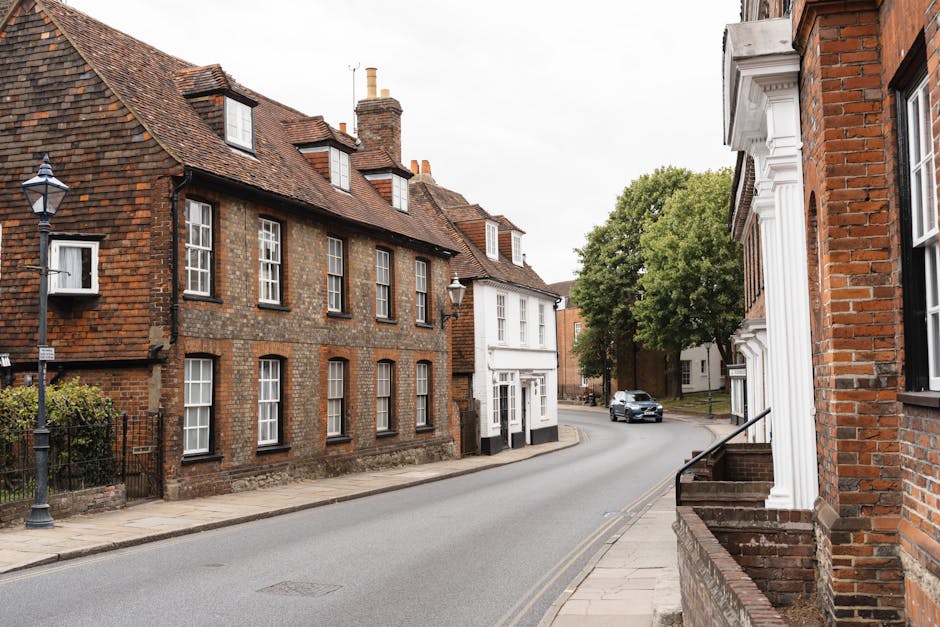
Why Harrow on the Hill house removals tips for narrow streets Matters
Harrow on the Hill has the sort of street layout that can make a removal day feel a little more complicated than the average suburban move. Some roads are simply not generous enough for a large removal van to pull in easily, especially if neighbours are parked, bins are out, or the road curves sharply. In practice, that means every minute you save on planning can prevent several minutes of stress later.
This matters for three reasons. First, access affects safety. A van parked too far from the entrance means longer carries, more trips, and more opportunity for something to get dropped or scratched. Second, access affects time. A move that should take half a day can stretch out if the team has to keep shuttling boxes up and down the road. Third, access affects cost. Not always dramatically, but enough that inefficient loading, difficult parking, or last-minute vehicle changes can make a move feel more expensive than it needed to be.
There is also a local reality worth saying out loud: older hillside streets often reward patience more than speed. A well-run removal on a narrow road is usually the result of careful pre-planning, not heroic effort on the day. Truth be told, that is what separates a smooth move from a day full of "just one more trip".
If you are new to the area, the Harrow-focused local guides can help you understand the surrounding context too. For example, what locals say about living in Harrow and these real estate success tips for Harrow both give a useful sense of the neighbourhood feel that often shapes moving logistics.
How Harrow on the Hill house removals tips for narrow streets Works
The basic idea is simple: reduce friction before moving day. In narrow streets, friction usually comes from four places - vehicle access, parking, carrying distance, and furniture handling. If you control those four things, the rest becomes far more manageable.
Here is the usual process for a well-planned narrow-street move:
- Assess the access - check the width of the road, whether cars are usually parked on both sides, and how close a vehicle can safely get to the front door.
- Choose the right removal setup - sometimes a larger van is fine; sometimes a smaller vehicle or a two-vehicle plan works better. It depends on the street and the load.
- Pack for carry distance - the further the van has to park away, the more important sturdy boxes, clear labels, and manageable weights become.
- Protect the property - narrow hallways and stairwells often get crowded quickly, so floor covers, corner protection, and careful routing matter.
- Load in the right order - heavy, awkward, and bulky items should be scheduled for the safest route, not just shoved into the van first because they look annoying.
A small but important point: a narrow street move is often less about brute force and more about sequencing. Which item goes first? Which exit is easiest? Where does the van wait while the team moves furniture? That sort of thing. Simple, but not really simple if nobody has thought it through.
For many households, the best starting point is a local service that understands short-notice planning and awkward access. If you are comparing options, the pages for removal companies in Harrow, man with van Harrow, and man and van Harrow are worth a look depending on how much you need to move.
Key Benefits and Practical Advantages
Done properly, a narrow-street removal offers some very real advantages. Yes, it is still a move. No one pretends it is a spa day. But planning well gives you control, and control is half the battle.
- Less stress on moving day - you already know where the vehicle can wait and how the route will work.
- Lower risk of damage - fewer sharp turns with bulky furniture and fewer rushed decisions in cramped spaces.
- Better time management - the team can work in a steady rhythm instead of stopping to reshuffle everything.
- Improved safety - less carrying fatigue, less chance of trip hazards, and fewer awkward lifts from the kerb.
- More predictable quotes - once access is understood, estimates are usually more realistic.
There is also something quietly reassuring about an organised move. The boxes are labelled, the route is clear, and no one is standing in the doorway asking where the kettle went. That little feeling of order makes a bigger difference than people expect.
And if your move is part of a wider life change, not just a house swap, you may benefit from related services such as packing and boxes in Harrow, storage in Harrow, or even furniture removals in Harrow for the heavier pieces that need a bit more care.
Who This Is For and When It Makes Sense
This advice is especially useful if you are moving from a terraced house, an older property, a flat on a busy road, or any home where the van cannot sit right outside the front door. It also makes sense for households with lots of furniture, delicate items, or a tight moving window.
You will probably find this approach helpful if:
- your road is narrow or often congested
- parking outside the property is limited or controlled by local restrictions
- you have a steep walk, steps, or a long carry from vehicle to front door
- you are moving large items like wardrobes, sofas, or musical instruments
- you need a same-day or tightly timed removal
- you are balancing school runs, work hours, or building access windows
Students and renters often need quick, compact solutions, while families might need a more structured plan with packing support. If that sounds familiar, a student removals service in Harrow or flat removals in Harrow might be more appropriate than a full-scale household move. It really depends on the shape of your day, not just the number of boxes.
And yes, sometimes a same-day removals service makes sense if access has changed at the last minute. Not ideal, but life happens.
Step-by-Step Guidance
If you want the move to feel under control, treat it like a small project. Nothing fancy. Just a method that keeps the work from becoming messy.
1) Survey the road before you book
Walk the street at the time of day you are likely to move. Is parking tighter in the evening? Are school drop-offs making the road busy at 8am? Is there a bend that makes larger vans awkward? A quick look can save a lot of guesswork.
2) Measure the awkward bits inside the property
Front doors, stair turns, tight landings, and bannisters all matter. A sofa that fits through one hallway may snag at the first turn. We have all seen that one piece of furniture that suddenly looks far too confident for its own good.
3) Decide on the right vehicle strategy
Sometimes a compact van can park more easily and make life simpler. Sometimes a larger van or a fuller crew is more efficient because fewer trips are needed. The right answer depends on load size, access, and timing.
4) Pack by carry logic, not by room alone
Boxes should be manageable to carry if the van is parked a short walk away. Heavy books, crockery, and files need tighter packing so they do not become the dreaded "why did I make this box so heavy?" moment.
5) Reserve the easiest load order for the bulkiest items
Mattresses, wardrobes, and appliances should be handled with the safest route in mind. This often means moving them early, while everyone still has energy and the access path is clear.
6) Keep the front door and route clear
One small shoe pile can become a real obstacle when a two-person team is carrying a chest of drawers. Clear the route before the first item comes out.
7) Build a buffer into the schedule
Narrow streets are unpredictable. A neighbour may be parked badly, a bin lorry may block the road, or traffic may build up on the approach. A bit of extra time stops the whole day from feeling rushed.
Expert Tips for Better Results
Here is the practical stuff that tends to make a noticeable difference. Nothing glamorous. Just the kind of advice that helps once the boxes are stacked in the hallway and everyone is looking for where to stand.
- Use smaller, stronger boxes for heavy items - a box that is too large becomes awkward fast, especially when you need to carry it a bit further.
- Label by destination and priority - "kitchen - open first" is better than a vague room label when you are tired by afternoon.
- Protect corners and door frames - narrow routes mean more chance of knock marks, even with careful movers.
- Disassemble what you can - bed frames, table legs, and shelving units often move far more cleanly when broken down first.
- Keep essentials separate - documents, chargers, keys, kettle, toiletries, and one change of clothes should not disappear into the general load.
- Tell movers about parking or height limits early - no one enjoys the surprise of discovering the van cannot safely stop where everyone assumed it could.
A small local-style observation: in older streets, the best move is often the one that looks slightly over-prepared. Cones, labels, floor protection, tea ready, box cutter handy. A bit much? Maybe. But it works.
For items that need extra handling, such as antiques or awkward furniture, the dedicated piano removals in Harrow page shows the kind of specialist thinking that also helps with other delicate possessions.

Common Mistakes to Avoid
Most moving headaches in narrow streets come from the same handful of avoidable errors. The frustrating part is that they are usually easy to spot in hindsight.
- Assuming the van can stop right outside - it might, but "might" is not a plan.
- Overpacking boxes - heavy boxes are bad enough on a broad driveway; they are worse on a long carry.
- Leaving parking until the day itself - in a tight road, that is asking for trouble.
- Ignoring stair and doorway measurements - one missed measurement can turn a simple move into a wrestling match.
- Not warning neighbours - even a friendly heads-up can reduce frustration if access will be tight for a few hours.
- Trying to move everything at once without a route plan - efficiency drops fast when everyone is carrying from different directions.
There is also a softer mistake: underestimating how tiring it is to work around narrow access. Even a short carry repeated twenty times can wear people down. By the time the last box comes out, nobody is thinking perfectly straight. Best to avoid that situation in the first place.
If you want to understand the full range of moving support available, it can help to revisit the removals in Harrow page and the broader removal van Harrow options.
Tools, Resources and Recommendations
You do not need a van full of gadgets to move well. But a few simple tools make narrow-street removals far easier.
| Tool or Resource | Why it helps | Best used for |
|---|---|---|
| Furniture blankets | Protects surfaces during long carries and tight turns | Wardrobes, tables, mirrors, headboards |
| Sturdy box tape | Keeps heavier boxes closed during a longer carry | Kitchen items, books, mixed household packs |
| Labels and markers | Makes unloading faster and calmer | All rooms, especially priority boxes |
| Door-frame protection | Reduces scuffs in narrow hallways | Older properties, staircases, tight landings |
| Hand truck or sack trolley | Helps with repeated loads over short distances | Appliances, boxed goods, heavier items |
On the service side, the most useful supporting pages are usually the ones that help you decide what level of help you need. That is why people often review man with a van Harrow, man and a van Harrow, and man with van Harrow before booking. Different wording, slightly different emphasis, but the core question is the same: how much help do you actually need?
For those moving a full household, house removals in Harrow is the more suitable route, especially if access is a little tricky and you want a team that is used to planning around it.
Law, Compliance, Standards, or Best Practice
For a home move in a narrow street, the main compliance concern is usually practical rather than highly technical. In plain English: you need to move safely, avoid obstructing the road for longer than necessary, and respect local parking or access arrangements. If there are controlled parking zones, permit rules, or loading restrictions, those need to be checked before moving day. Not after. Before.
It is also best practice for a removal company to carry out sensible risk awareness around lifting, access routes, and vehicle positioning. That may include pre-move questions about stairs, distances, delicate items, and the need for extra manpower. A professional team should be prepared to talk through these points clearly and honestly.
Health and safety also matters in the simple, everyday sense. Keep paths clear. Use proper lifting technique. Avoid rushing bulky items through tight gaps. If something feels unsafe, pause and reassess. That is not over-cautious; it is normal good practice.
For readers who want to see how a company approaches safe work and expectations, the health and safety policy, insurance and safety information, and terms and conditions pages are worth reviewing before you book. Those pages help set expectations early, which is exactly what you want when the street is tight and there is not much room for improvisation.
Good compliance is not about paperwork for its own sake. It is about making sure the move runs cleanly, safely, and without avoidable drama.
Options, Methods, or Comparison Table
If you are trying to choose the best approach for a narrow-street move, the comparison below should help. There is rarely one perfect answer; the right method depends on property size, access, and how much time you have.
| Method | Best For | Strengths | Watch Outs |
|---|---|---|---|
| Large removal van | Full household moves with decent loading space nearby | Fewer trips, efficient for bigger loads | Can be awkward on very tight roads |
| Smaller van or removal van | Narrow streets with limited parking or turning space | Easier access, more flexible parking | May require more trips |
| Man and van service | Smaller moves, partial loads, student moves, quick relocations | Flexible, often practical for restricted access | Less suited to large family homes |
| Full house removals team | Large or complex moves, heavy furniture, multiple rooms | More manpower, smoother handling | May need stronger access planning |
| Storage-first approach | Moves with delayed completion, downsizing, or phased relocation | Reduces pressure on moving day | Adds a second step to the move |
For many Harrow on the Hill streets, a compact but well-organised approach is the sweet spot. Not always the cheapest on paper, perhaps, but often the least stressful in reality. And let's face it, a calm move is worth a fair bit.
Case Study or Real-World Example
Here is a realistic example based on the sort of move people face in Harrow on the Hill. A couple is leaving a two-bedroom flat on a narrow road with parked cars on both sides. The property has a tight stair turn, a sofa that will not fit upright, and a collection of boxes that were packed in a rush the night before. Classic.
On the first look, the job seems straightforward. But once the van arrives, it becomes obvious that parking directly outside is not possible. Instead of forcing the situation, the movers position the vehicle a short distance away, keep the entrance clear, and move the bulkier items first while the road is quieter. The sofa is wrapped properly, turned carefully at the stair landing, and loaded with a clear route in and out. Boxes are grouped by priority so the essentials can come off first at the other end.
The move still takes time. Of course it does. But because access was thought through in advance, there is no frantic reshuffling, no backtracking, and no damaged wall corner. The couple later says the most useful part was not the lifting itself but the planning. That sounds boring, maybe, but in moving terms boring is often excellent.
If you are moving as a family or with lots of school logistics around you, the Harrow school moving guide for removals and packing is also a helpful companion read. It covers a different side of moving pressure, but the timing lessons carry over nicely.
Practical Checklist
Use this checklist a few days before the move. It is simple, but simple is good.
- Walk the street and check access at the planned moving time
- Measure key doorways, stair turns, and any awkward hall sections
- Confirm where the van can safely park
- Tell your movers about narrow roads, steps, and long carries
- Pack heavy items into smaller boxes
- Label boxes by room and priority
- Separate essentials for the first night
- Protect furniture corners and fragile surfaces
- Notify neighbours if access may be temporarily blocked
- Keep routes clear inside the property
- Check whether any storage is needed for overflow items
- Review booking terms, insurance, and timing arrangements
Quick expert summary: for narrow streets, the winning formula is almost always the same - plan the access, reduce the load, protect the route, and keep the day flexible enough to absorb a small delay or two. That approach saves far more stress than trying to rush through it.
Conclusion
Moving in Harrow on the Hill does not have to be a battle with the street outside. Once you accept that access is part of the job, not a side issue, the whole process becomes easier to manage. A narrow road needs a smarter plan, not a bigger headache.
Focus on the basics: choose the right service, pack in a way that suits the carry distance, confirm parking and timing early, and protect both your belongings and the property itself. If the move is unusually tight, think in terms of flexibility rather than force. That one shift in mindset can make all the difference.
For many people, the best next step is simply to speak with a local team that understands Harrow's streets and can suggest the right moving setup for your property. A clear conversation now usually saves a lot of guessing later.
Get a free quote today and see how much you can save.
And if today feels a bit much, that is completely normal. Good moves are built one sensible decision at a time.